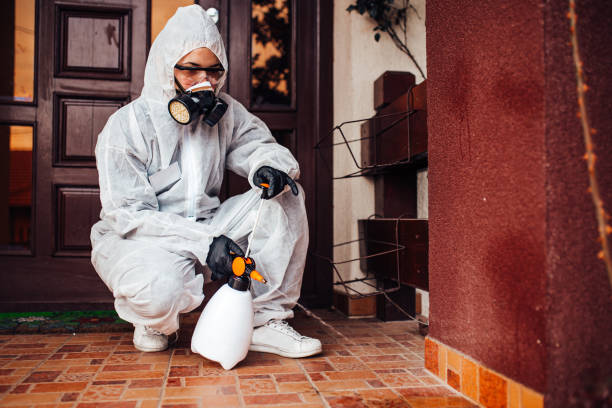
A Clinton rodent call isn't solved by trapping alone; if the entry gap stays open, a new rat or mouse moves in within days, so exclusion is built into every visit.
A technician walks the roofline, foundation, and utility penetrations to find every gap a rodent could be using, not just the obvious one.
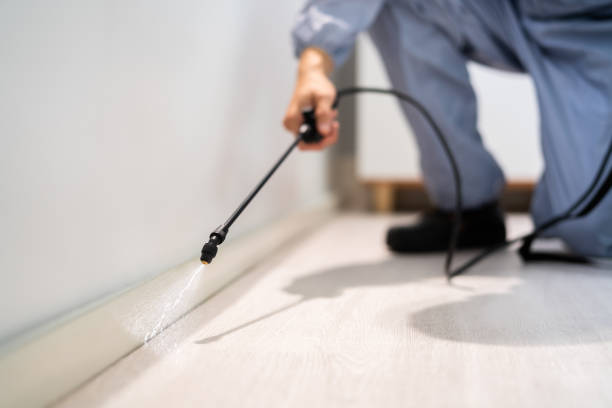
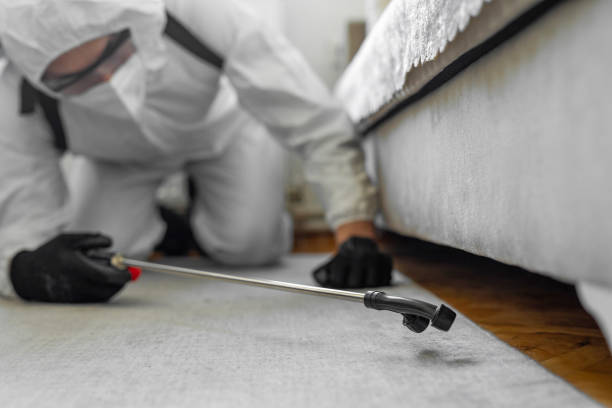

Our Rodent Control crew is trained specifically on rat and mouse biology, not general pest spraying.
We keep same-day slots open for active infestations, especially attic and wall-void activity reported at night.
Pricing is quoted after inspection and covers both removal and the exclusion work needed to keep rodents from returning.
Our vehicles carry door sweeps, vent screening, and expanding sealant specifically for rodent exclusion work.
Roof rats travel roofline, eaves, and attic spaces, so trapping is placed along their actual travel paths, not just on the attic floor.
We inspect crawl spaces and foundation perimeters specifically for Norway rat burrow entrances.
Snap traps go along interior travel routes — usually baseboards and cabinet edges — where mouse activity is heaviest.
Trapping without sealing just invites the next rodent in — we close every identified gap with steel wool, hardware cloth, and sealant.
Commercial rodent accounts get recurring exterior station checks documented for compliance records.
Rodent nesting material and waste get cleared as part of a full-service attic remediation add-on.

Tell dispatch where the activity is: roofline, attic, or ground level, so the right technician and gear get assigned.
Our mobile units stock hardware cloth and steel wool on every rodent-flagged dispatch.
Inspection covers attic, foundation, and utility penetrations, with species ID driving trap placement.
Guarantee coverage means a return visit is free if activity continues past the stated window.
Mice were getting into the pantry no matter how much steel wool I stuffed in myself. Turns out the real gap was behind the dryer vent.
Our warehouse had rodent activity near the loading dock and Nex Pest Control set up a monitored station program with logs for our next audit.
We'd tried every trap from the hardware store with no luck. The tech explained these were roof rats, not mice, and that changed everything about where traps went.

No matter which Clinton neighborhood you're in, a technician equipped for rat and mouse-specific work can reach you the same day.

Mouse droppings are small and rod-shaped; rat droppings are noticeably larger, and the entry gap size differs too — mice fit through a quarter-inch, rats need closer to a half-dollar.
Trapping removes the current rodents, but sealing the gap is what prevents the next one from moving in — both steps matter.
Yes — station placement is planned around pets and kids, and we'll walk you through exactly where everything goes.
Most Clinton cases clear within one to two weeks once entry points are sealed, confirmed at a scheduled follow-up visit.
We can document damage for your records and offer attic sanitation as an add-on service after removal is confirmed.
Yes, commercial accounts get scheduled exterior station checks with service logs for health and safety audits.
One call to +1-866-315-0243 gets a rodent specialist on your schedule today.
Call +1-866-315-0243